
Knowledge
Raising symptoms: how to prepare for your doctor’s appointment
Many people wait a long time before mentioning problems with the bladder, bowel or pelvic floor. Good preparation makes the conversation easier and helps to find the right treatment sooner.
SmartMann editorial team · 13 October 2026 · approx. 4 min read
Why preparation helps
Time in a medical appointment is often short, and uncomfortable topics are easily forgotten or only hinted at. If you note down your observations beforehand, your doctor can classify the symptoms better and plan the next steps in a targeted way.
What you can note down beforehand
- When do the symptoms occur? For example when coughing, sneezing, exercising, at night or with a sudden urge.
- How often does it happen, and since when have you had the symptoms?
- How much is lost: a few drops, larger amounts, wind or stool?
- What helps or makes it worse, for example the amount you drink, coffee or physical exertion?
- Previous illnesses and operations, for example births, prostate or bowel surgery.
- a current list of medications and any existing test results.
Tip: bladder or bowel diary
In agreement with your doctor, a diary kept over a few days can be very informative: it records fluid intake, toilet visits, urgency episodes and involuntary leakage.
Questions you can ask
- What type of incontinence or pelvic floor disorder do I have?
- Which examinations are useful?
- What treatment options are there, and what goal are we pursuing?
- Is pelvic floor training an option for me, and can biofeedback support it?
- How and when will we assess whether the treatment is working?
How is the treatment chosen?
Treatment depends on the symptoms, their cause and your personal circumstances. Depending on the situation, conservative, drug-based or surgical measures may be considered, often in combination. A medical training system can be one component; it does not replace a medical diagnosis.
Discuss with your healthcare professional which goals are being pursued, what alternatives exist and how progress will be assessed.
Hospital, practice or home?
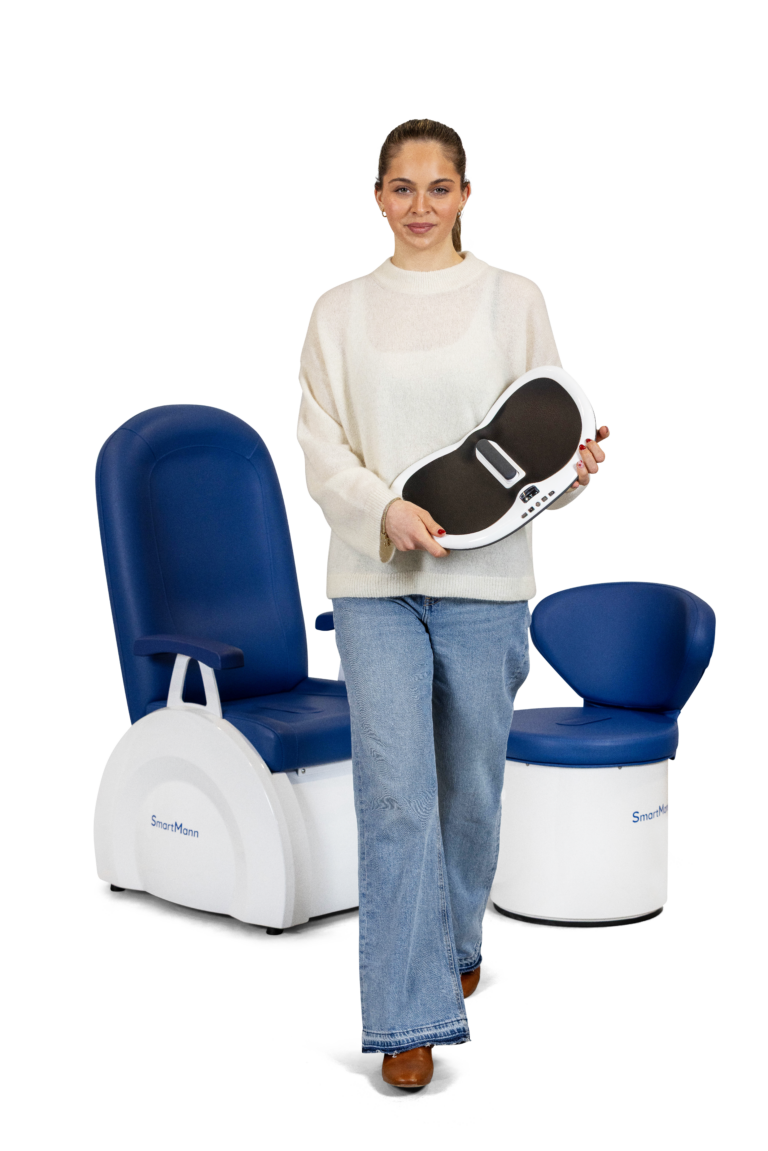
The place of treatment also plays a role. SmartMann systems are designed for different settings: the HnJ-7000 for inpatient use in hospitals, the HnJ-1000 for practices and clinics, and the HnJ-350K for use at home. Please discuss with your healthcare professional whether a system is suitable for your personal treatment.
Sources & further reading
- NIDDK (National Institutes of Health): Symptoms & Causes of Bladder Control Problems ↗
- NHS: Urinary incontinence: non-surgical treatment ↗
- Bladder & Bowel UK: Information and support ↗
The linked sources describe general medical background and are not product-specific evidence of effectiveness.
Questions about our systems?
We explain the areas of use, functions and requirements of SmartMann systems.
This article is for general information only and does not replace medical advice, diagnosis or treatment.