
Knowledge
Pelvic floor knowledge.
Understand the basics, classify symptoms and prepare questions about treatment: clear articles for patients and healthcare professionals, complemented by links to independent sources.
Articles
Our articles
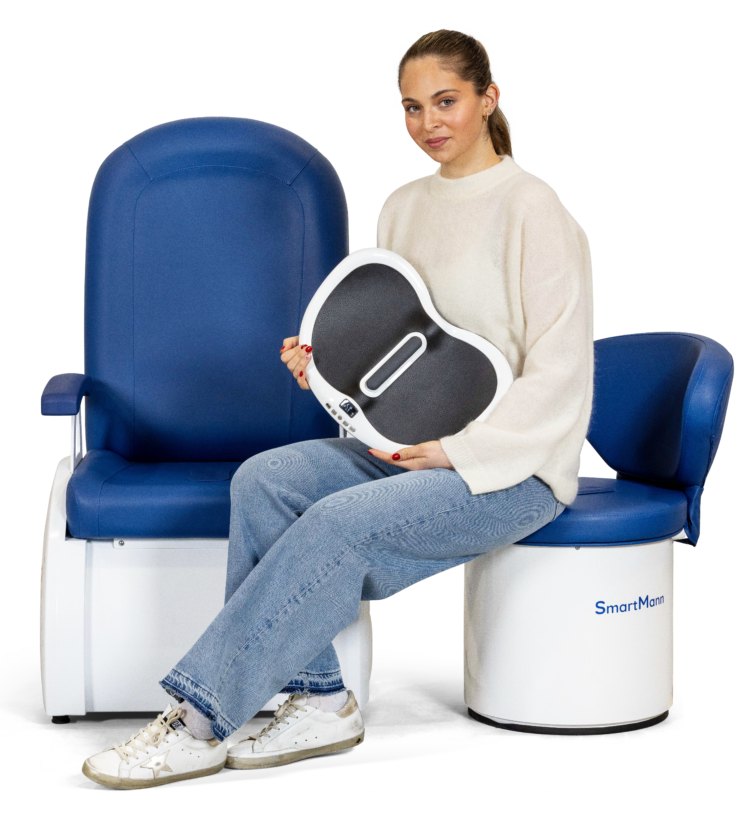
Knowledge
The pelvic floor: functions, weakness and what you can do
It works out of sight and is often only noticed when it no longer works properly: the pelvic floor. Find out what this layer of muscle does and why it deserve
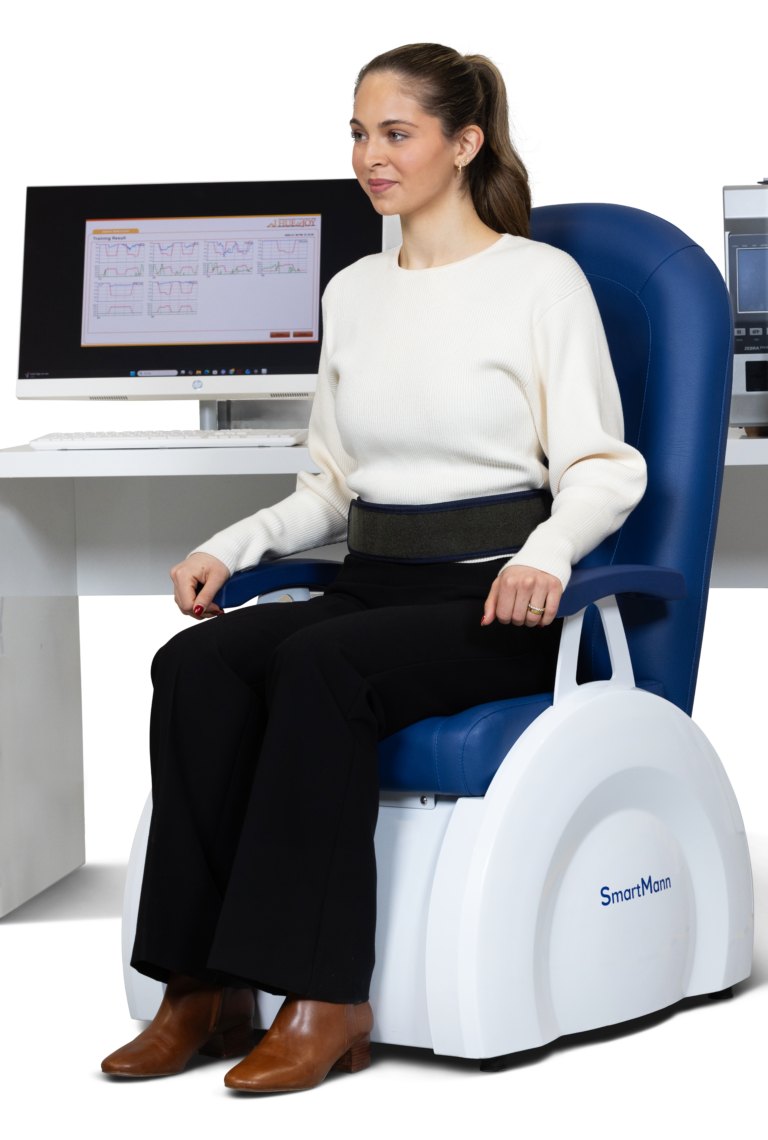
Knowledge
Biofeedback in pelvic floor training: how it works
Anyone who wants to train their pelvic floor faces a problem: you cannot see the muscles and often can hardly feel them. Biofeedback makes the invisible visib
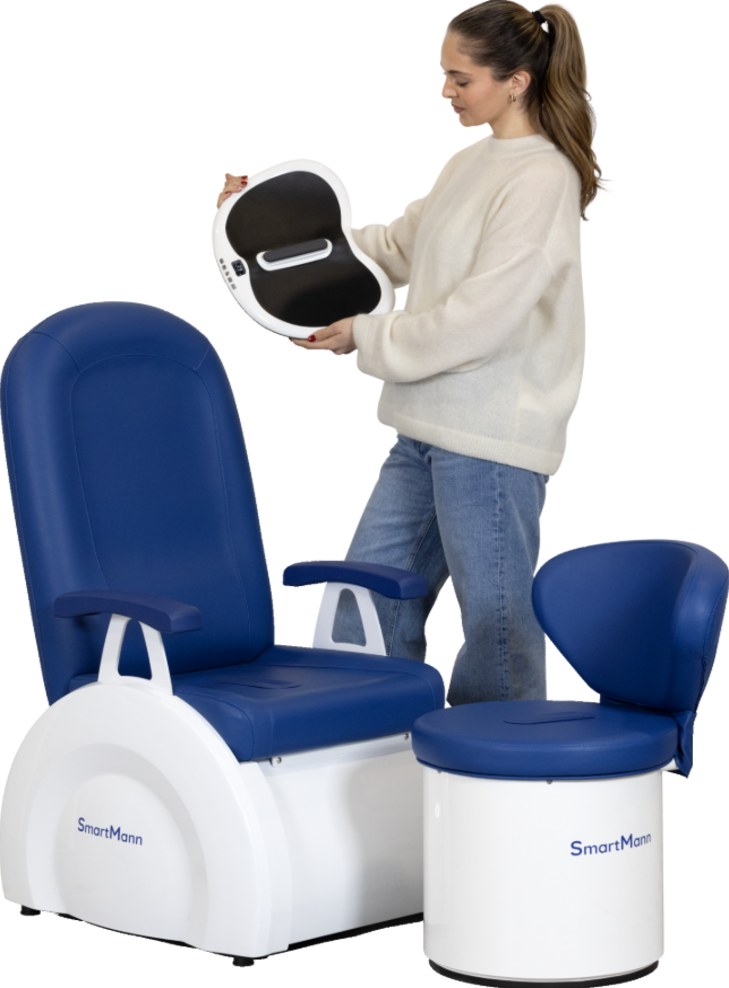
Knowledge
Urinary incontinence in women and men: types, causes, treatment
Involuntary loss of urine is widespread and affects women and men of all ages. The good news: there are many treatment options. The first step is to talk abou
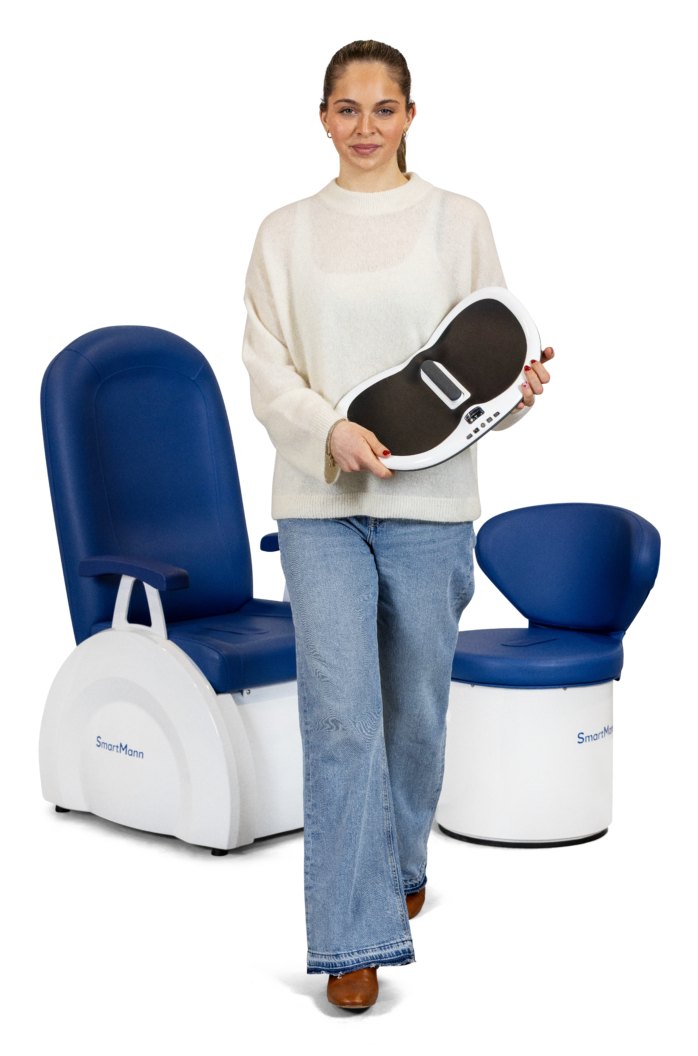
Knowledge
Pelvic floor training after childbirth and after prostate surgery
Two life situations, one common theme: after childbirth and after prostate surgery, the pelvic floor is particularly challenged. A lot can be achieved with th
Knowledge
Faecal incontinence and LARS after bowel surgery
Problems holding back stool or wind are among the most taboo complaints. Yet they are common, especially after surgery on the rectum. An overview.
Knowledge
Raising symptoms: how to prepare for your doctor’s appointment
Many people wait a long time before mentioning problems with the bladder, bowel or pelvic floor. Good preparation makes the conversation easier and helps to f
Independent sources
Further information
Selected information from health institutes, professional societies and guidelines.
Patient information
- Pelvic floor muscle exercises for women ↗
POGP – Pelvic, Obstetric and Gynaecological Physiotherapy - Urinary incontinence: non-surgical treatment ↗
NHS - Urinary incontinence: overview ↗
NHS - Information and support ↗
Bladder & Bowel UK - Bowel incontinence ↗
NHS
Guidelines & professional societies
- Guideline NG210: Pelvic floor dysfunction – prevention and non-surgical management ↗
NICE - International consensus definition of low anterior resection syndrome ↗
European Society of Coloproctology (ESCP) - Treatments for Bladder Control Problems ↗
NIDDK (National Institutes of Health) - Treatment of Fecal Incontinence ↗
NIDDK (National Institutes of Health)
Systematic reviews (Cochrane)
- Feedback or biofeedback to augment pelvic floor muscle training for urinary incontinence in women ↗
Cochrane Review (Herderschee et al., 2011) - Conservative interventions for managing urinary incontinence after prostate surgery ↗
Cochrane Review (2023) - Biofeedback and/or sphincter exercises for the treatment of faecal incontinence in adults ↗
Cochrane Review (Norton & Cody, 2012)
The linked sources describe general medical background and are not product-specific evidence of effectiveness. The operators of external websites are responsible for their content.
Questions about our systems?
We advise hospitals, practices and users personally.